
Reconciling Mobile Money at the Till: MTN MoMo and Airtel Money
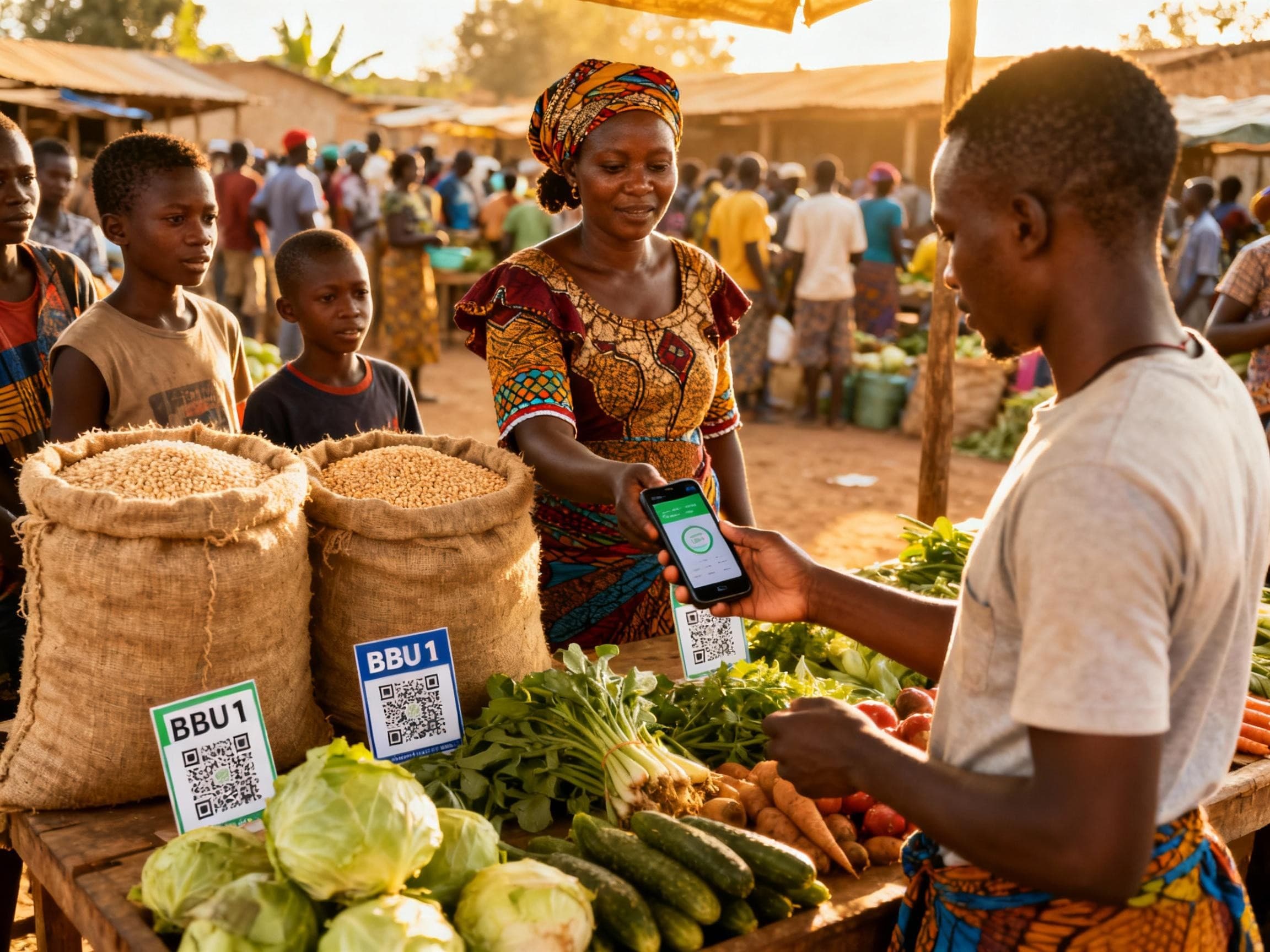
The problem
A customer pays by MTN MoMo or Airtel Money, shows the message on their phone, and walks out. At the end of the day the cashier's cash is right, but nobody is sure whether every mobile money payment really arrived, whether some were recorded as cash, or whether a fake message slipped through. Over a month these gaps become real losses.
Record the method as well as the amount
The first rule is simple: every sale must say how it was paid. In BBU1 the payment screen asks the cashier to choose cash, mobile money, card, bank transfer, credit or another method. For mobile money, the cashier chooses the provider, enters the customer's phone number and can add the transaction reference from the confirmation message. That reference is the single most useful thing for reconciliation later.
Payment prompts to the customer's phone
Where the business has mobile money prompts switched on in its till rules, the cashier can send the amount straight to the customer's phone. The customer enters their PIN, and the till shows the payment as paid with its transaction number. This removes the risk of fake messages, because the confirmation comes from the provider, not from the customer's screen. If prompts are not switched on, or there is no internet, the cashier records the payment by hand with the customer's confirmation.
Close each shift by payment type
At the end of a shift, BBU1 shows sales, floats, cash expected and cash counted, with short and over, broken down by payment method. The mobile money total for the shift is the figure to compare with your MTN and Airtel statements. A manager confirms the count before the shift is closed, and differences are posted to the books.
Match against the statement
Once a day or once a week, download your merchant statement and compare it with the mobile money sales in BBU1. Match by amount and transaction reference. Anything in BBU1 that is missing from the statement needs a look at the customer's message and the cashier who took it. Anything on the statement that is not in BBU1 may be a sale recorded as cash, or a payment for something else.
Small rules that stop big losses
Do not let staff use their personal mobile money numbers for business payments. Give each till a clear rule on who may accept which method. Ask cashiers to read the transaction reference aloud and type it in. Check differences the same day, while people still remember. These habits cost nothing and close most of the gaps.
Merchant codes versus personal numbers
Receiving payments on a merchant or business account gives you a statement you can download and match against your sales. Receiving on a personal number mixes business and personal money, makes reconciliation much harder, and is easy for a dishonest staff member to abuse. If you still receive on personal numbers, moving to a business account is the single best change you can make.
Charges and timing
Statements show charges and the exact time each payment arrived. When you reconcile, remember that a sale made just before midnight may appear on the next day's statement, and that charges reduce what lands in your account. Record mobile money charges as an expense in your books so that the balance in BBU1 matches the balance on your statement.
Customers who pay later
Sometimes a customer takes goods on credit and pays by mobile money days later. Record that payment against the customer's account, not as a new sale, so the debt is cleared and the money is not counted twice. BBU1 keeps customer accounts and payments together for this reason.
Refunds
Refunds by mobile money should go back to the number that paid, with the reason recorded and a manager's approval. Refunds handed out in cash for a mobile money sale are a common way for money to go missing, because the cash leaves the drawer while the original payment stays on the statement.
What good looks like
In a well run shop, the owner can open any day and see sales by payment method, the mobile money total, and a statement that matches it to the shilling, with any differences explained in writing. Getting there takes a few weeks of steady habits, and after that it takes minutes a day.
Fake confirmation messages
A common trick is a customer showing a forged or old confirmation message, or a message for a smaller amount. Train cashiers to check the amount, the time, the name of the receiving business and the transaction reference, and to wait if anything looks wrong. Where payment prompts to the customer's phone are switched on, the confirmation comes from the provider itself, which removes most of this risk. Where they are not, matching every reference against the statement each day is your protection.
Where to start
If you do nothing else this week, start recording the payment method and transaction reference for every mobile money sale, and close each shift by payment type. Within a month you will know exactly how much of your business arrives by phone, and you will be able to prove it. More at bbu1.com/features/point-of-sale.
Want to see this in your own business?
Start a free trial, or talk to us about your specific setup.
Get in touch