
Turning Sitting Stock Into Cash Flow
One view across every location
If an item sells at one branch, every other branch and your central warehouse see the updated count instantly. That alone eliminates most of the double-selling and stock discrepancies that come from checking in by phone.
Reordering based on actual sales velocity
Aura looks at your sales trends and seasonal patterns to suggest reorder points, which helps avoid both running out of fast movers and over-ordering stock that sits on the shelf.
Knowing your true margin
Landed cost (duties, freight, and insurance) gets calculated into your cost price automatically, so the margin you see for an imported item is the real one, not just the invoice price.
Counting without closing the shop
A full stock take once a year means closing for a day and finding out about losses months after they happened. Cycle counting is a better habit. Each week, count a small group of items, for example the fast movers or the most expensive ones. BBU1 has a cycle count program for this. It compares the counted quantity with the recorded quantity and shows the variance for each item, so you can follow up and find out whether losses come from damage, expiry, theft or simple counting mistakes.
Stock that sits too long
Slow stock is as costly as missing stock. Look at the items that have not sold in 90 days and the batches close to expiry. In BBU1 the inventory page shows items expiring soon and the highest value stock in one place. For slow items, a price change, a bundle or a return to the supplier is usually better than leaving the money on the shelf for another year.
From low stock to a purchase order
When an item runs low, the restock plan works out what is needed, what can be sent from another branch or store room, and what must be bought. One button creates the stock transfer and a draft purchase order for each supplier. You review the drafts and send them. This removes the most common reason for stock outs in small shops: the owner meant to order, but the day got busy.
Receiving properly
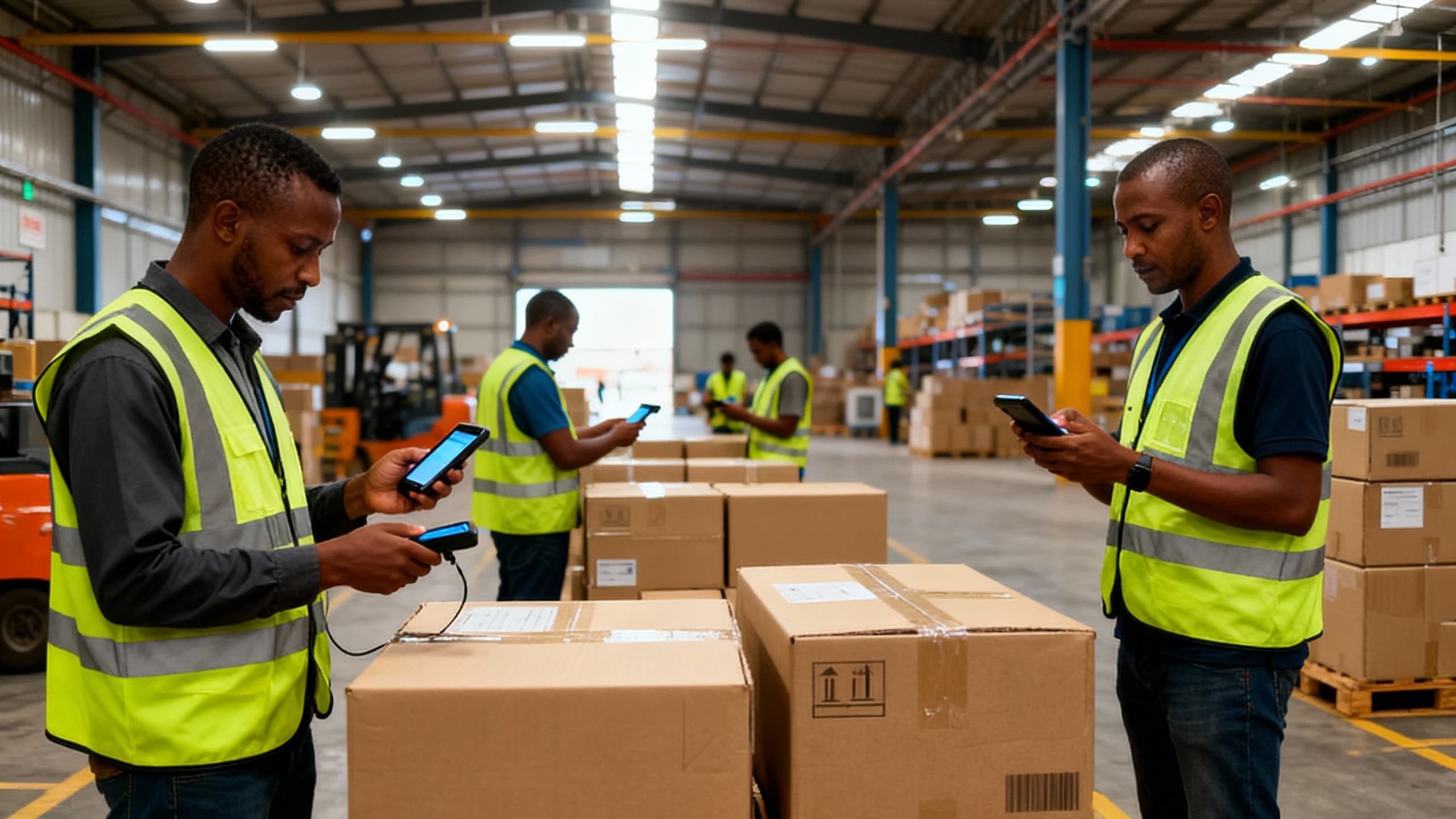
Many losses happen at the back door, not the front. When goods arrive, count them against the purchase order before anyone signs. BBU1's receiving screen lets you count what actually came, and the difference between ordered and received is recorded. If you pay the supplier for what was received rather than what was ordered, short deliveries stop costing you money. More detail is at bbu1.com/features/inventory-supply-chain.
Want to see this in your own business?
Start a free trial, or talk to us about your specific setup.
Get in touch