
What Digital Transformation Actually Looks Like for a Small Business
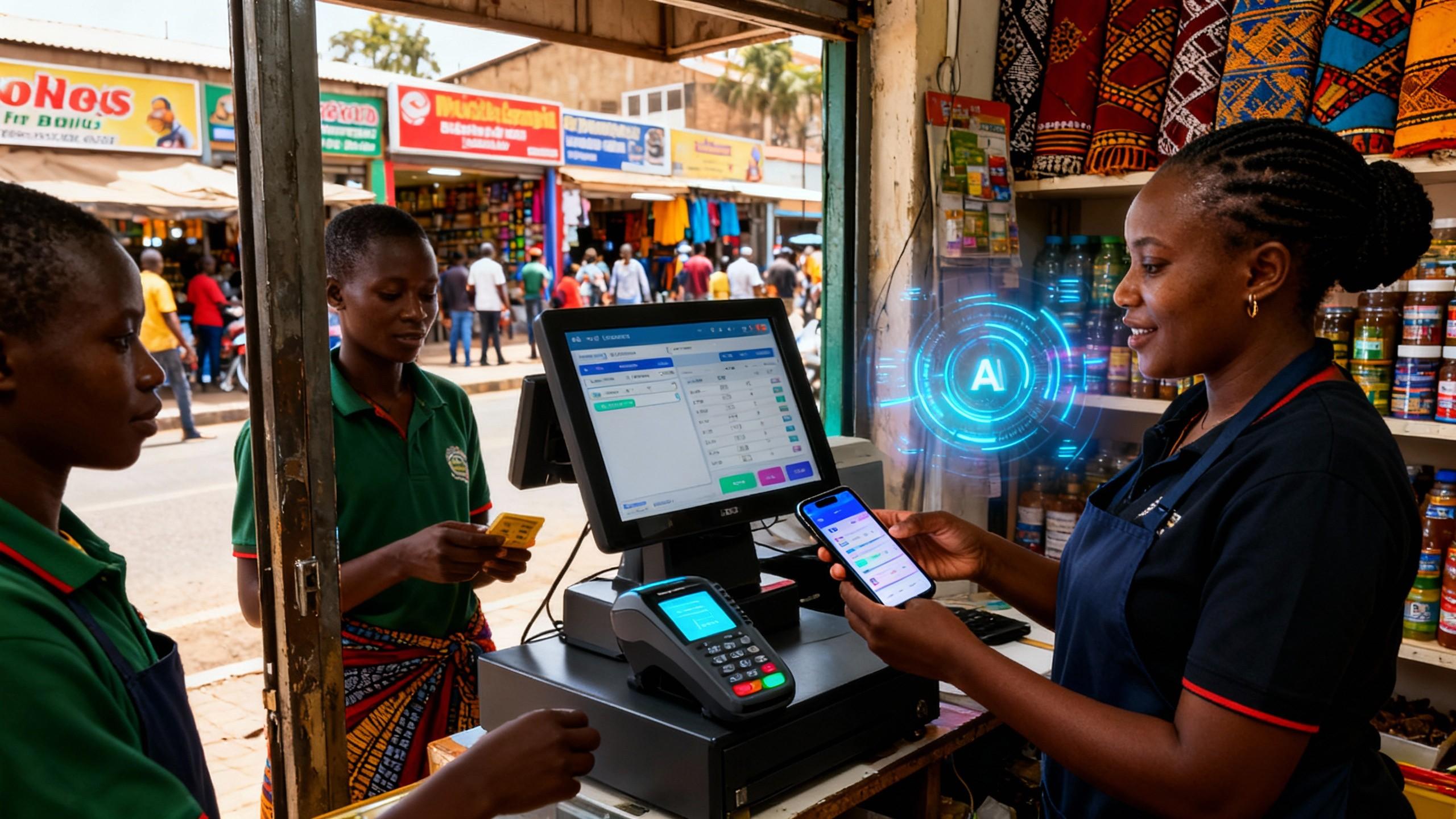
Tools that used to be out of reach
Real-time inventory, unified customer records, and live financial reporting used to require an enterprise IT budget. That same tooling is now within reach of a single-location retailer or a two-person consultancy.
Speed is the real advantage
When your inventory, sales, and accounts update in real time, you can act on what's actually happening this week instead of waiting for a month-end report to tell you what already happened.
Your data stays yours
Moving to a unified platform doesn't mean losing control of your data. You should be able to export everything at any time. Transformation should make you less dependent on any one vendor, not more.
Start with the problem that costs the most
The best place to start is not the most modern part of the business. It is the part where money leaks. For a shop that is often stock and credit sales. For a landlord it is rent arrears. For a clinic it is the gap between services given and services billed. Pick the one that hurts most, put it in the system first, and get your staff comfortable with it before you move on to the next.
Plan for your connection and your power
In Uganda the internet and the power both go off. Any plan should say what happens when they do. In BBU1 the till keeps selling without internet and saves each sale on the device until the connection returns. The medical module and the time clock also keep working offline. Other screens, such as reports and accounting, need a connection. Knowing this in advance lets you decide which device sits on a UPS and who does reports from the office.
Train people as well as screens
Most new systems fail because the people using them were shown the screens once and then left alone. Give each person the smallest set of screens they need for their job, with permissions that match. A cashier sees the till. A store keeper sees receiving and stock counts. The owner sees everything. Ten minutes a day for the first week is better than one long training session that nobody remembers.
Measure whether it worked
Write down three numbers before you start: how much stock you lose in a month, how long it takes to close the month, and how much customers owe you. Check the same three numbers after three months. If they have not moved, find out why before you add anything new. If they have, you have a clear story to tell your staff and your bank.
Want to see this in your own business?
Start a free trial, or talk to us about your specific setup.
Get in touch